
The mesh network is a collection of smartphones and IoT devices that are connected directly to each other in a device to device (D2D) mode in a decentralised topology.
As such, the network is created without the need for traffic to be passed through a centralised set of nodes as in a traditional wireless network comprising of base stations, WiFi access points and core networks. The traffic hops instead from smartphone directly to other smartphones and IoT devices within a certain proximity of each other.
This means that the mesh network can carry traffic in areas where traditional networks are congested or there is no coverage. Each smartphone can connect with up to 6 other devices within range using the inherent Peer-to-Peer (P2P) capability of smartphones using WiFi Direct or Peer to Peer WiFi.


Each of those 6 other devices can each connect to upto another 6 devices creating a robust and self-healing resilient mesh network.
To join the mesh network the smartphone user needs to download a mobile App, whether it be a Dallas Cowboys or a Waitrose Loyalty App with a Wyld software agent embedded into that App.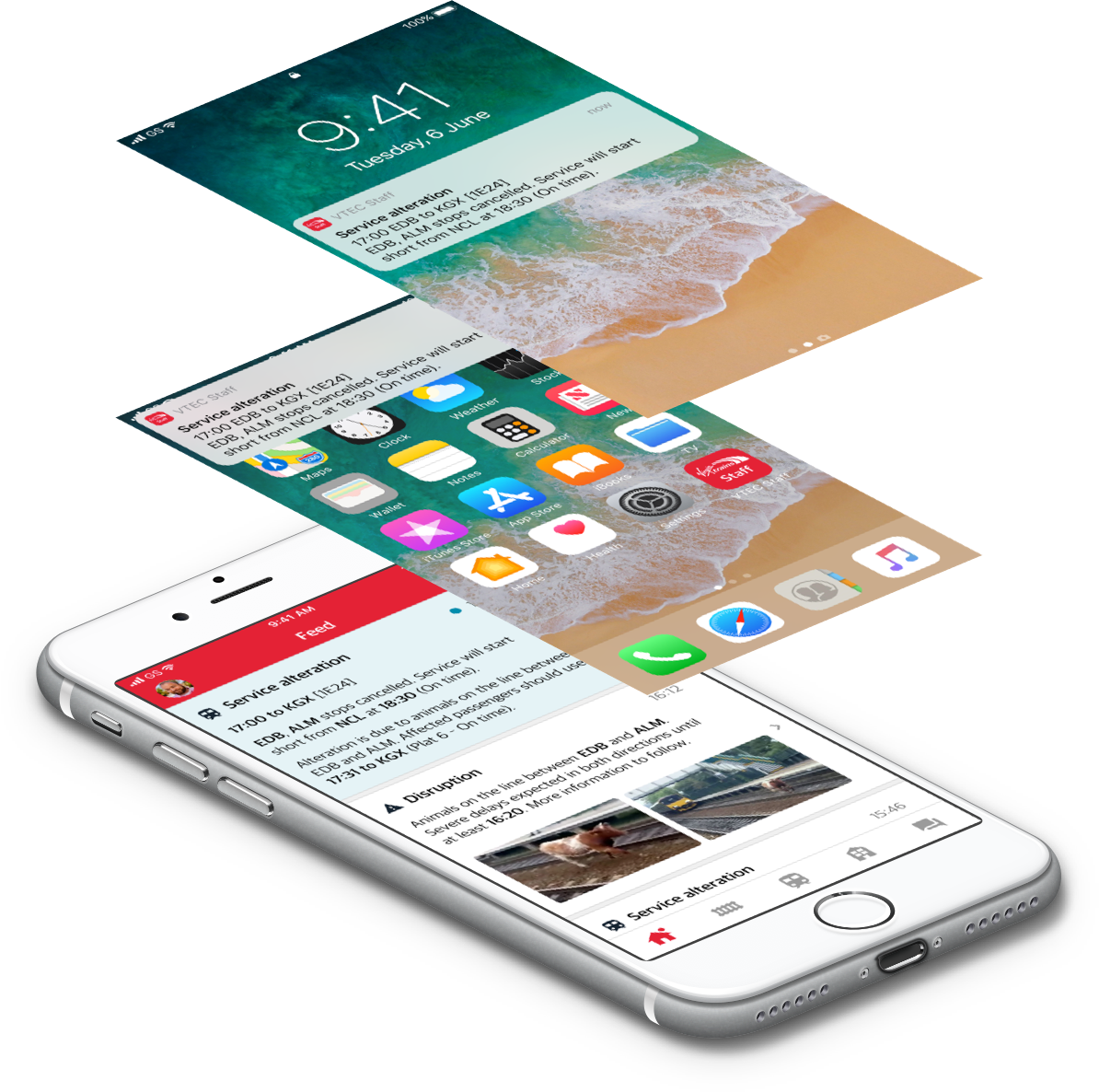
Wyld Mesh uses geozones – virtual walls to contain the mesh within the area where the business owner or operator would like to create the network. For example, a football stadium, building, retail outlet, railway station or venue.
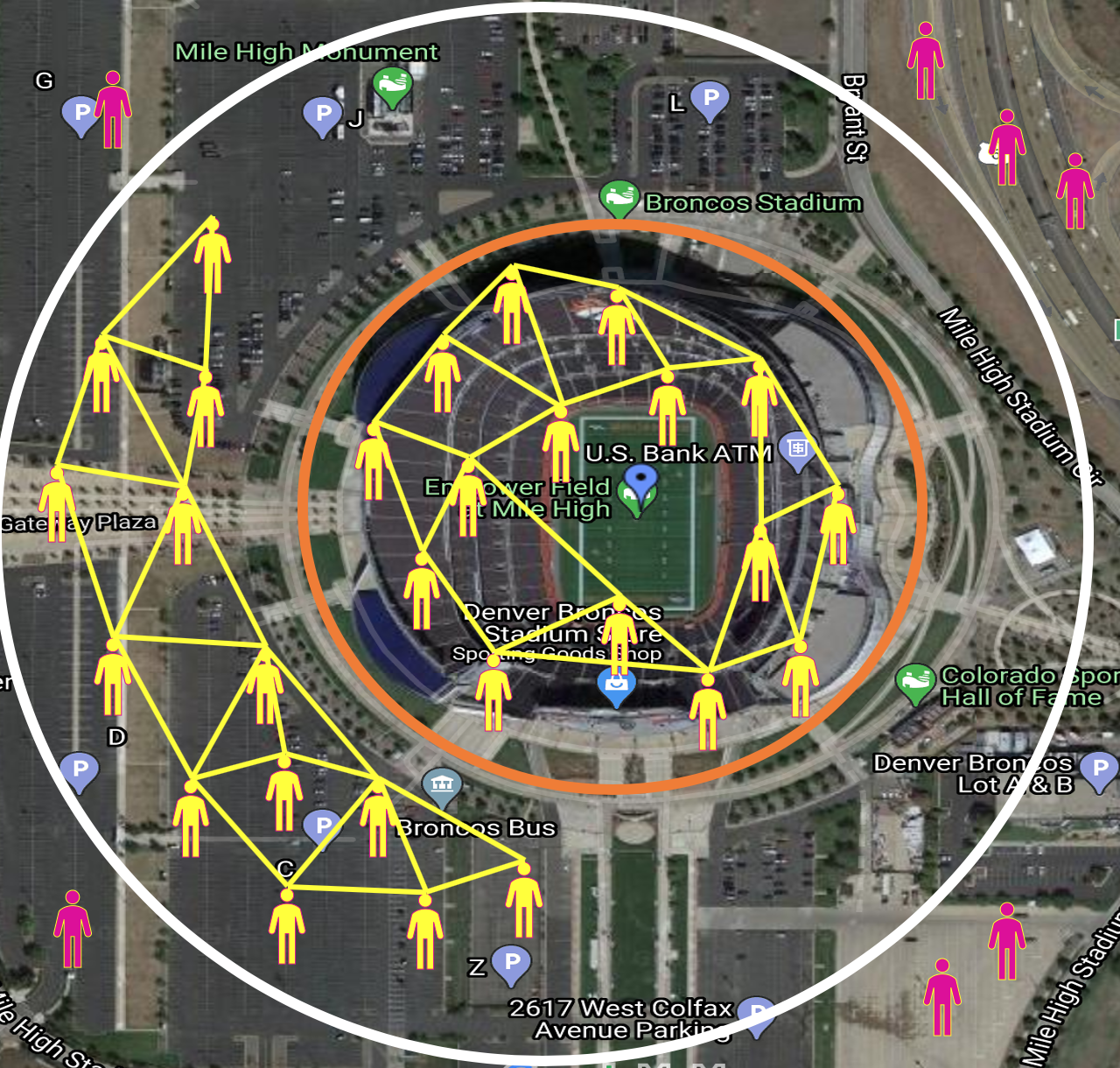
Once inside the geozone, the smartphones are connected together and once the user leaves the geozone the smartphone is disconnected.
The mesh can create a mass expansive network through multi-hop routing and ensures that as a device leaves the mesh, routing is automatically re-directed through the most optimal route to ensure integrity. The Wyld Mesh technology routing algorithm uses evolutionary game theory modelling to intelligently select the routing based on optimal resiliency as well as device battery charge.
Theoretically, there is no limit to the number of smartphones that can be connected together in the mesh network.
IoT devices are integrated into the smartphone mesh network also using Bluetooth or LPWAN protocols to create a people-to-people and a people-to-things network.
Resilient and robust
- Hybrid mesh topology to eliminate a single point of failure
- Device-to-Device (D2D) mesh created using P2P WiFi and WiFi Direct and multi-hop technologies
- Future road mapped to support LTE A Direct and 5G D2D
- Uses mDNS/DNS-SD for Service Discovery with algorithm based on evolutionary game theory (Patent GB2001939.4)
- Hardened on London Underground for self-healing and fast reconnection
Relevant - User location context
- Wyld Mesh utilises aGPS, beacons, hotspots as pseudo beacons for location reckoning collective positioning (Patent GB2001939.4)
- Securely exchanges location information between devices and uses RSSI to perform trilateration to improve the accuracy of aGPS.
Secure and Private
- Designed to keep PII secure – Standards based (ECDH Keys, AES GSM 256Bit Encryption, ECDSA Signatures, etc)
- Policy-based options stored in a secure dictionary (Digitally Signed Schemas)
- A Keychain created on registration and designed to rotate keys monthly. Keys exchanged between meshed devices through discovery process.
- Sensitive data never leaves the phone and is encrypted at rest.